
Hello all that have read my blog, this is my final post on this specific blog, keep an eye out for more blogs in the future. I define linkage institutions as a means for the public to voice their preferences on the development of public policy. I believe voting to be an integral and effective linkage institution as voting constitutes the foundation of our democracy, as democracy itself is based on the public voting to influence legislature. Voting enables the public to vote for what changes they want made in legislature. A certain party or candidate winning or losing an election can influence a voter's political beliefs as they could lose faith in that candidate or party if they lose or begin doing something the voter does not agree with. The election I have chosen to write about is the Georgia gubernatorial election that took place in 2018. This election was between 2 candidates, Stacey Abrams, the democrat-elect for governor, and Brian Kemp, the republican-elect for governor. State spending was considered a major factor in the 2018 Georgia gubernatorial election.

The first candidate in this election is Stacey Abrams. Stacey Abrams is the democrat-elect for the governor position in this election. The artifact from Abrams' website I will be exploring is this article that explores Abrams' views on the Georgian economy. Stacey Abrams' stance on the Georgian economy is that she will generate "thousands of long-term, good-paying jobs through small business capital programs, clean energy investment, and Medicaid expansion". Essentially what Abrams is stating is that she will expand medicaid, a stance which does align with the Democratic party, as well as focusing on clean energy and small business. Abrams also supports the Georgia Earned Income Tax Credit and the Cradle to Career Savings Program. Lastly, Abrams plans to "set a goal of 22,000 apprenticeships by 2022".

The second candidate in this election is Brian Kemp. Brian Kemp is the republican-elect for the governor position in this election. The artifact from Kemp's website I will be exploring is this article that explores Kemp's various stances and his priorities if he were to be elected governor of Georgia. Firstly, in Kemp's plan for small business, Kemp plans to "take a chainsaw to burdensome regulations" meaning that he plans to cut down on regulations on small businesses. Kemp wants to "work with business people - not bureaucrats" to cut small business regulations and "streamline state government". In order to reform state spending, Kemp plans to cap state spending, deliver "real tax" reform, and audit all tax breaks. Lastly, Kemp plans to expand opportunities in rural Georgia by improving their access to healthcare, internet, and economic development.
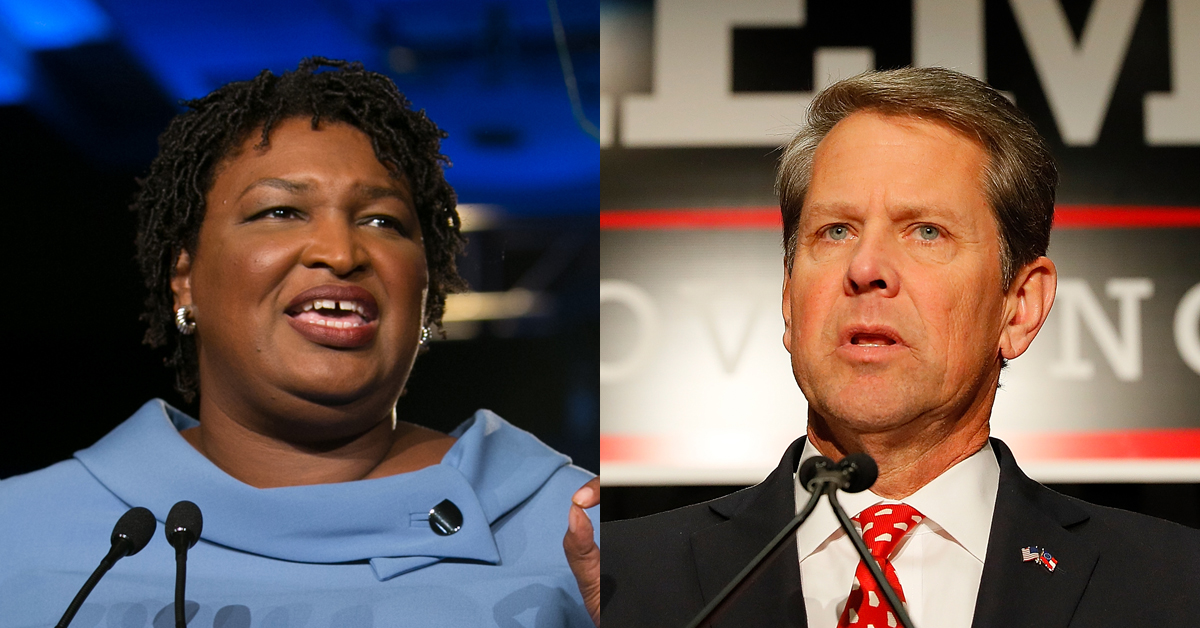
Evidently, Abrams and Kemp strongly differ on the various issues relating to the Georgian economy. Where Abrams believes in expanding medicaid, Kemp opposes it. Where Kemp plans to cap state spending, and cut regulations, Abrams plans to increase them. Where Abrams supports tax credits, Kemp opposes it. Ultimately, Abrams and Kemp's respective views do match their party's views. Democrats generally favor tax credits, medicaid expansion, and more economic regulations, whereas Republicans believe tax credits are wasteful, oppose medicaid expansion, and want to cap state spending. Ultimately, economic views were viewed to be a major factor in this election and Kemp's policies won him the election and the votes of the Georgian people.

No comments:
Post a Comment